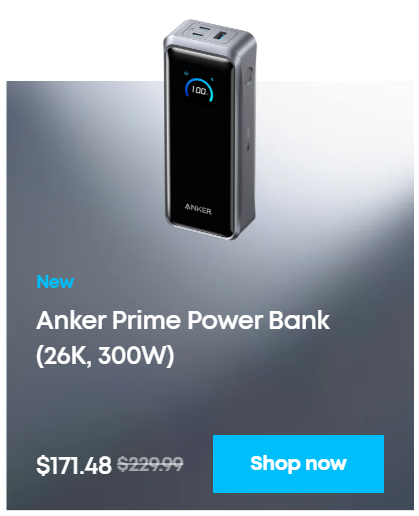
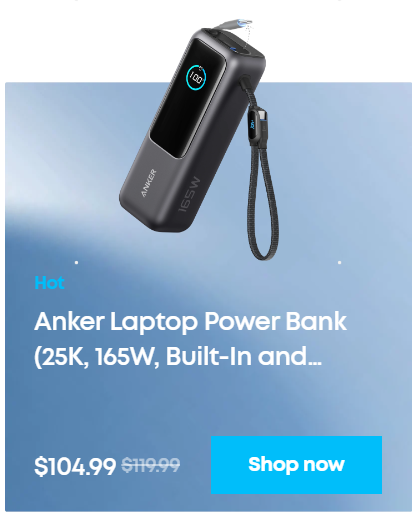
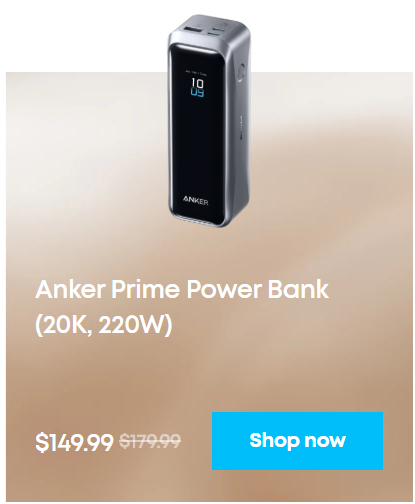
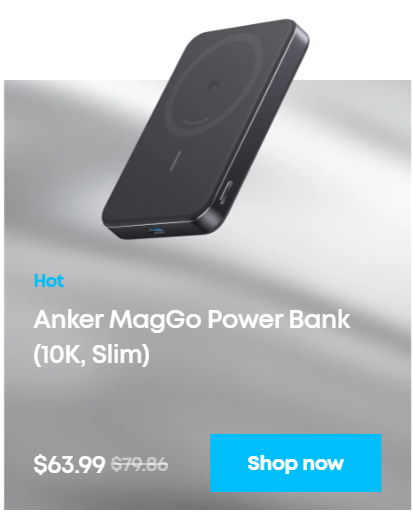
Portable charging has become a daily necessity for people who rely heavily on smartphones, tablets, wireless earbuds, and other electronic devices. Choosing the right Anker Power Bank is important because it ensures your devices stay powered throughout the day without interruptions. A power bank is not just a simple battery pack; it is a compact energy storage system designed to deliver safe and efficient charging whenever a power outlet is unavailable.
Different power bank models come with various capabilities, designs, and charging technologies. Understanding the key features helps users select a device that fits their lifestyle, travel habits, and device requirements. A well-chosen power bank can provide reliable power, faster charging, and long-term durability.
Battery Capacity and Power Storage
One of the most important features to consider when choosing an Anker Power Bank is battery capacity. Battery capacity determines how much electrical energy the power bank can store and how many times it can charge your devices before needing to be recharged itself. Capacity is typically measured in milliampere-hours, commonly written as mAh.
A power bank with a higher capacity can charge a smartphone multiple times, making it suitable for travellers or people who spend long hours away from home. Smaller capacity models are lighter and easier to carry, which may be ideal for daily commuting or occasional use. Selecting the right capacity ensures you have enough stored power for your needs without carrying unnecessary weight.
Charging Speed and Power Output
Charging speed is another essential feature that greatly affects the convenience of using a power bank. Modern portable chargers are designed to deliver power more quickly than traditional charging methods. Faster charging allows users to restore their device battery levels in a shorter period of time.
Power output determines how quickly energy flows from the power bank to the connected device. A higher output generally means faster charging, especially for devices that support advanced charging technologies. Choosing a power bank with strong power output ensures your devices receive efficient charging even when you need power urgently.
Number of Charging Ports
Another important feature to consider is the number of charging ports available on the power bank. Many modern power banks include multiple ports that allow users to charge several devices at the same time. This is especially helpful for people who carry multiple electronic gadgets such as smartphones, tablets, headphones, and smartwatches.
Having more than one charging port also makes the power bank useful when travelling with friends or family. Multiple devices can be connected simultaneously without needing separate chargers. This feature improves convenience and reduces the number of accessories you need to carry during trips or daily activities.
Port Types and Device Compatibility
Different devices require different types of charging connections. Modern power banks often include a combination of USB-A and USB-C ports to support a wide range of electronic devices. USB-C technology has become increasingly common because it allows faster power transfer and supports newer smartphones, tablets, and laptops.
Compatibility ensures that the power bank can safely charge different devices without causing damage or inefficient charging. Choosing a power bank with versatile port options allows users to connect various gadgets easily without needing multiple adapters or cables.
Smart Charging Technology
Smart charging technology is another important feature found in advanced power banks. This technology allows the power bank to automatically detect the type of connected device and adjust the power output accordingly. By recognising the device’s charging requirements, the power bank delivers the correct amount of energy for safe and efficient charging.
This intelligent power management system improves charging speed while protecting devices from excessive power flow. It ensures that each connected device receives stable and appropriate power, which helps maintain battery health and improves overall charging performance.
Safety and Protection Systems
Safety features play a crucial role in the reliability of any portable charging device. Quality power banks include internal protection systems that monitor temperature, voltage, and electrical current during operation. These safety mechanisms help prevent issues such as overheating, overcharging, and short circuits.
When the internal system detects abnormal conditions, it automatically regulates the power flow or stops charging to protect both the power bank and the connected devices. These protection features provide peace of mind for users who rely on portable charging throughout the day.
Design, Portability, and Build Quality
The design of a power bank significantly affects its usability and convenience. A compact and lightweight power bank is easier to carry in a bag, pocket, or travel case. Portability becomes especially important for travellers, commuters, and people who frequently move between different locations during the day.
Durable construction also improves the lifespan of the device. High-quality materials help protect the internal battery cells from physical damage while maintaining a sleek and modern appearance. A well-designed power bank combines portability with durability, making it practical for everyday use.
Display Indicators and Battery Monitoring
Many modern power banks include indicator lights or digital displays that show the remaining battery level. These indicators allow users to monitor how much power is left inside the device. Knowing the battery status helps users decide when it is time to recharge the power bank.
Digital displays provide more precise information by showing the exact battery percentage. This feature improves user convenience by helping avoid situations where the power bank runs out of energy unexpectedly.
Recharge Speed of the Power Bank
Another useful feature to consider is how quickly the power bank itself can be recharged. Larger battery capacities require more time to recharge, but modern charging technology can significantly reduce this waiting time. Power banks that support faster input charging allow users to restore the device battery more quickly.
A faster recharge time ensures the power bank is ready to use again sooner, which is particularly helpful for people who rely on portable charging every day.
Why These Features Matter for Everyday Use
Selecting the right Anker Power Bank involves understanding how these features work together to deliver reliable portable charging. Battery capacity determines how long the power bank can provide energy, while charging speed and port compatibility influence how efficiently devices are powered.
Safety systems ensure the charging process remains stable and secure, while compact design and durable construction improve convenience during travel or daily use. When these features are combined in a well-designed portable charger, users gain a dependable solution for keeping their devices powered wherever they go.
As mobile technology continues to play a central role in everyday life, portable charging solutions have become essential tools for staying connected. By paying attention to these key features, users can select an Anker Power Bank that meets their power needs and supports their modern digital lifestyle.
Conclusion:
Choosing the right Anker Power Bank depends on understanding the features that match your daily charging needs. Important factors such as battery capacity, charging speed, device compatibility, safety systems, and portability all play a role in delivering reliable portable power. When these features are carefully considered, a power bank can become a dependable companion for work, travel, and everyday activities.
A well-designed Anker Power Bank ensures your devices stay charged wherever you go. With efficient technology and user-friendly design, it provides the convenience of portable energy while supporting the growing demand for reliable mobile power in modern life.